
How to Value a Development Site Using the Residual Method
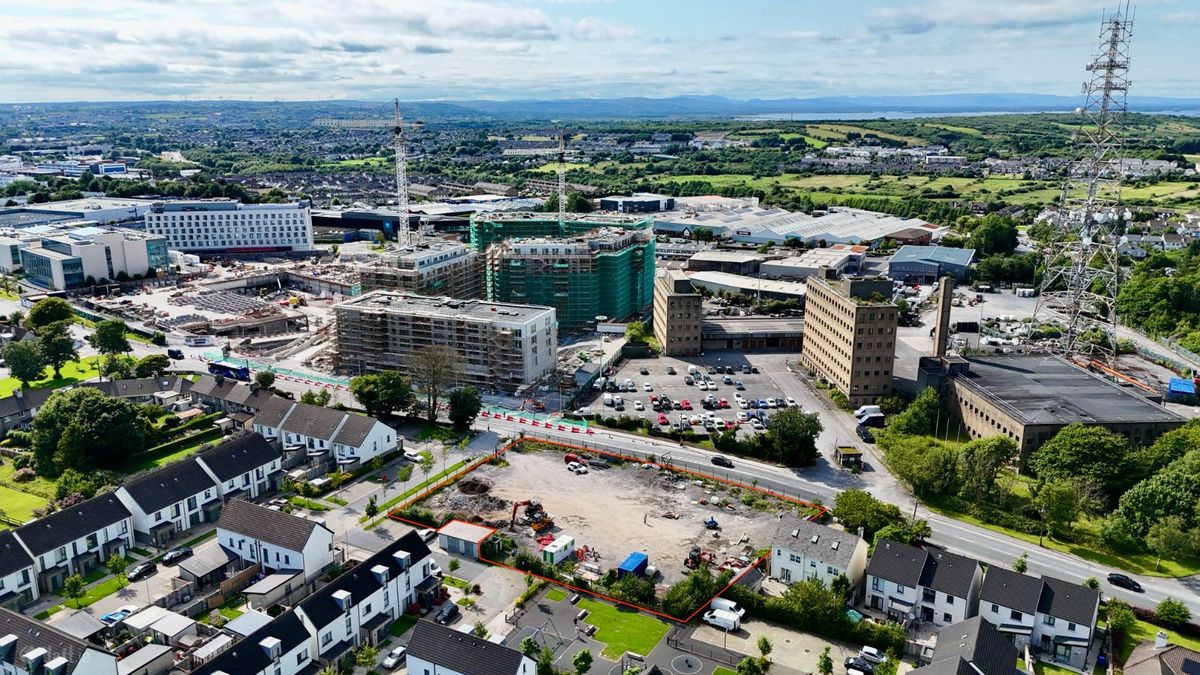
Valuing a development site is a different exercise from valuing a house or an existing commercial building. A site's value comes from what could be built on it, so the valuation has to account for planning, construction costs, sales values and the developer's profit, as well as the current market.
The residual method is one of the most widely used ways of assessing development land. This guide sets out how it works, what drives a site's value, and where the common mistakes lie.
In short: the residual method works back from the value of the finished scheme, deducting costs and profit to arrive at the land value. Small changes in the inputs can move the answer a long way, and planning potential is central to the result.
What Is the Residual Method?
The residual method estimates the value of land with development potential. Rather than relying on comparable land sales alone, it starts with the expected value of the completed development and works backwards.
The basic calculation is:
- Value of completed development (Gross Development Value)
- less development costs
- less professional fees
- less finance costs
- less developer's profit
- = residual land value
What is left is the amount a developer could reasonably pay for the site and still make an acceptable return.
What Is Gross Development Value (GDV)?
GDV is the estimated market value of the scheme once it is built. Depending on the project, it may be based on:
- Sales values of new homes
- Commercial property values
- Apartment sales
- Rental income (for investment developments)
- Current market evidence
Get the GDV wrong and the land value will be wrong too.
What Costs Are Included?
A residual valuation allows for every cost of delivering the development. These commonly include:
- Construction costs
- Demolition and site preparation
- Professional fees
- Planning and development contributions
- Utility connections
- Marketing and sales costs
- Legal fees
- Finance costs
- Contingency allowances
- Developer's profit
The land value can only be established once all of these have been deducted.
Why Planning Potential Matters
Development land is worth what can legally be built on it. The main planning factors are:
- Zoning
- Existing planning permission
- Development plan objectives
- Site density
- Access arrangements
- Availability of services
- Environmental constraints
- Heritage or conservation restrictions
Two sites of a similar size can have very different values because of their planning position.
Why Small Changes Have a Big Impact
Residual valuations are highly sensitive to their assumptions. A shift in any of the following can change the land value considerably:
- Construction costs
- Property sale prices
- Interest rates
- Build timelines
- Planning conditions
- Developer profit margins
For that reason, development site valuations are regularly updated as market conditions change.
When Is the Residual Method Used?
It is commonly used for:
- Residential development sites
- Apartment developments
- Mixed-use schemes
- Commercial developments
- Brownfield redevelopment
- Land acquisition
- Investment analysis
- Financial appraisals
Developers, investors, lenders and landowners all rely on it when testing whether a project is viable.
Why Professional Advice Matters
A residual valuation is more than a sum. A professional valuer brings together market evidence, planning knowledge, construction cost data and financial analysis to reach a realistic figure, and can spot risks and opportunities that affect viability.
Common Mistakes When Valuing Development Land
- Overestimating future sales values
- Underestimating construction costs
- Ignoring planning restrictions
- Using outdated market evidence
- Failing to allow for finance costs
- Underestimating professional fees
- Assuming unrealistic developer profit margins
How HPS Property Can Help
HPS Property provides development land valuations, feasibility studies and property advice in Galway and throughout Ireland. We combine local market knowledge with detailed financial analysis, whether you are buying, selling or assessing the potential of a site.
Frequently Asked Questions
Is the residual method suitable for every development site?
The residual method is widely used for sites with development potential, but its suitability depends on the available planning information and the purpose of the valuation. In some cases, it may be used alongside comparable evidence and other valuation methods.
What is the difference between market value and residual value?
Market value is the estimated price a property or site could achieve on the open market. Residual value is the amount a developer could afford to pay for a site after allowing for development costs, finance, fees and an appropriate profit margin.
Why is professional advice important?
Residual valuations rely on accurate assumptions about planning, construction costs, market values and financial performance. Professional advice helps ensure these assumptions are realistic and supported by current market evidence.
Talk to Us About Your Site
If you are thinking of buying a development site, selling land with development potential or testing the viability of a project, contact HPS Property to discuss the site and arrange a valuation.